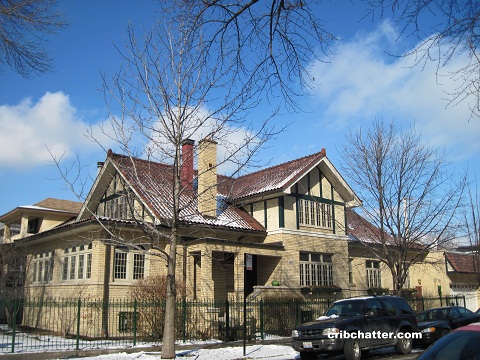
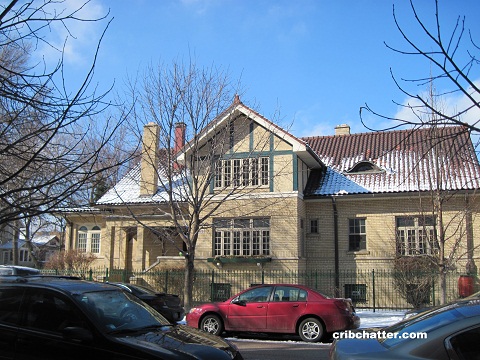
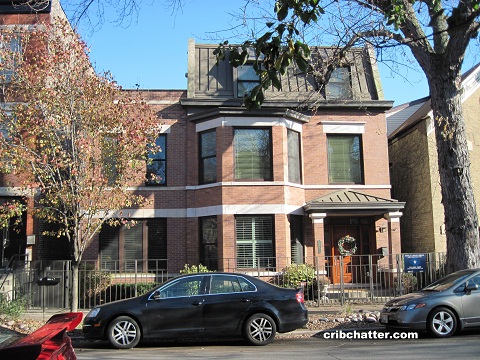
After 3 1/2 Years, What Will Happen to This 3-Bedroom in Lincoln Park? 919 W. Wisconsin
We’ve chattered about this 3-bedroom unit at 919 W. Wisconsin in Lincoln Park several times over the past 3 years.
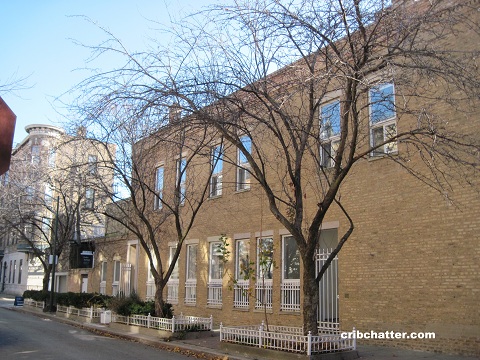
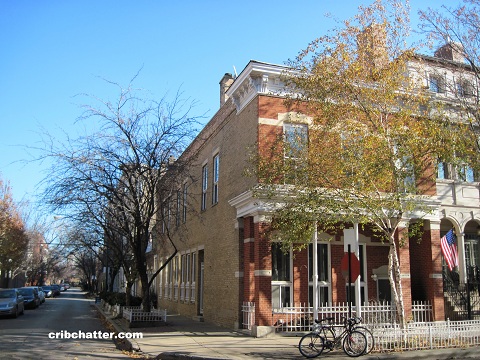
See the original chatter from December 2008 and pictures here.
In that time, it has been reduced numerous times.
The property recently came back on the market with a new price.
If you recall, it has a unique outdoor space with multiple decks, a green house and gardens totaling 1144 square feet.
It also has 3356 square feet of living space on two levels, including a lower level recreation room.
The kitchen has stainless steel appliances. There are no pictures of the bathrooms.
Built on a 25×73 lot, the property has windows on 3 sides, central air and 1-car garage parking with a parking pad for a second car.
What will it take to finally sell this property?
Jennifer Ames at Coldwell Banker now has the listing. See the pictures and a floor plan here.
919 W. Wisconsin: 3 bedrooms, 2.5 baths, 3356 square feet, 1 car garage
- I couldn’t find a prior sales price but looks like it sold before 1989
- Originally listed in October 2007 for $1.25 million
- Reduced several times
- Was listed in December 2008 at $999,970
- Reduced
- Lis pendens foreclosure filed in July 2009
- Was listed in December 2009 at $935,000
- Reduced
- Lis pendens foreclosure filed in May 2010
- Lis pendens foreclosure filed in June 2010
- Currently listed at $900,000
- Assessment of $182 a month
- Taxes of $3655
- Central Air
- Greenhouse
- Multiple decks – including a walkway that leads over the walled in garden
- Bedroom #1: 11×18 (second floor)
- Bedroom #2: 11×12 (second floor)
- Bedroom #3: 10×12 (second floor)
- Family room: 18×15 (lower level)