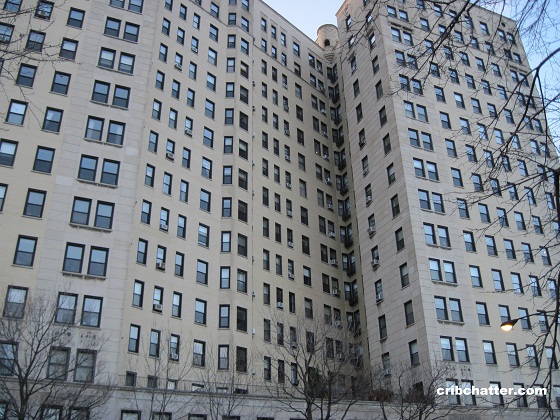
Most Chicago high rise condo buildings have some kind of rental cap in place.
The most strict allow only 10% of all units to be rented at any given time but it can run the gamut all the way up to 40% or 50% being rented. (Anyone know of any that don’t allow rentals at all?)
But according to Marketwatch, the rental caps are putting a crimp on the condo market.
Instead of selling at a low price, Jim and Joan Watson would like to rent out their vacant Lake Shore Drive condo unit in Chicago.
The problem is, a new rental cap in the building will likely prevent them from being eligible to rent out their place for years, given the number of owners already renting out units. The rental restriction also is interfering with a possible sale, Jim Watson said.
“Just in the last two or three weeks, we’ve had two serious buyers who walked because of that,” he said. And it’s not just investors who are balking: “Young people come in, they want to buy it. But like many young people today, if they don’t have job security, if they have to leave town to take a job in another city, they want to know they can rent the place.”
In many Chicago buildings, the rental cap is far below 50%, and caps of 20% and 30% aren’t unusual, said Kim Jones, a real-estate agent with Baird & Warner, in Chicago. Some associations are beginning to forbid rentals for new buyers, she adds, or are creating rules requiring that a homeowner live in a unit for more than a year before renting.
“Certain homeowners, when elected to the board, feel like they’re protecting their property values, they’re thinking they’re protecting themselves,” Jones said. But they don’t consider the ramifications of the change, she adds, arguing that restrictions that are too strict can have a negative effect on home sales and prices.
In some buildings, you can get a hardship exemption, especially if you can show that you would be doing a distress sale otherwise. Early on in the bust, condo boards were more lenient with this, however.
Otherwise, get on the waiting list for the right to become a landlord. In buildings with long lists, some people put their name down even if they’re not sure they will need to rent out their place—just to keep their options open, said Brenda Mauldin, broker with Baird & Warner in Chicago. “It’s a security blanket for some of these owners,” she said.
Do rental cap restrictions really put a crimp on the market?
What condo owner wants to live in a building full of renters moving in and out?
Condo owners face rental hurdles [Marketwatch, Amy Hoak, April 30, 2012]