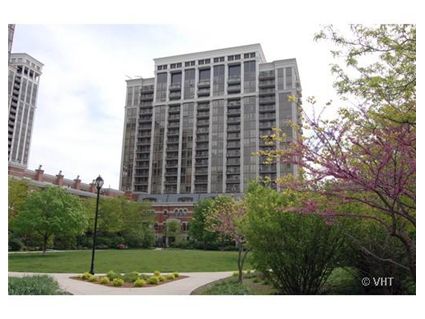
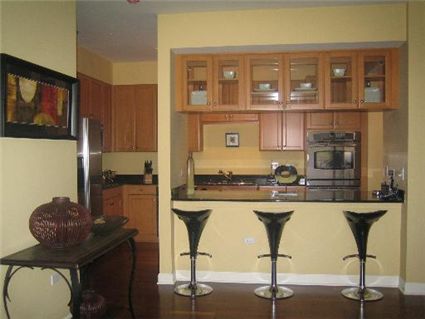
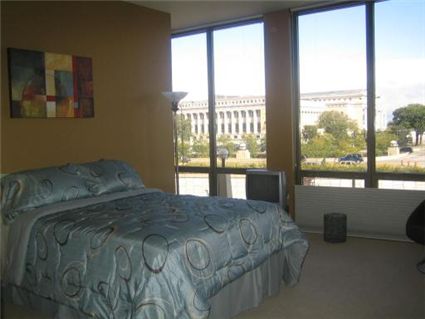
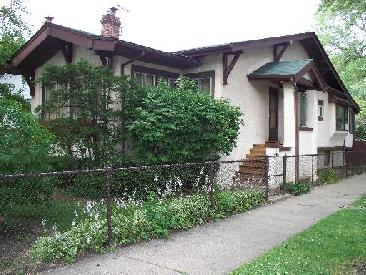
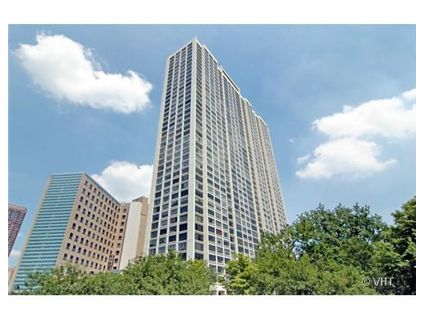
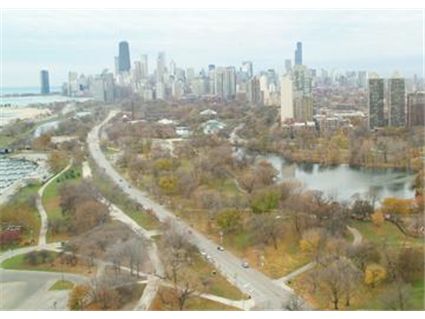
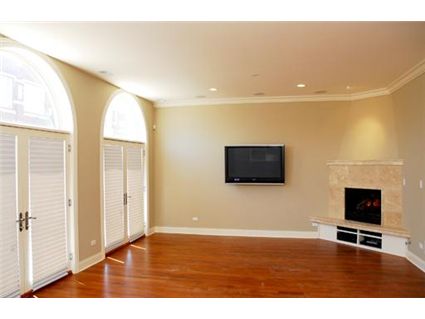
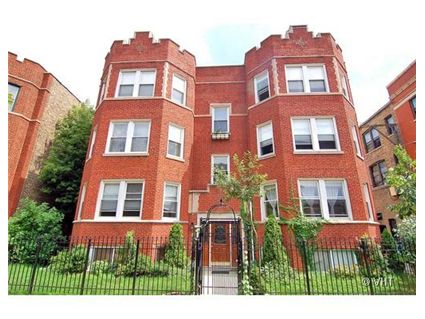
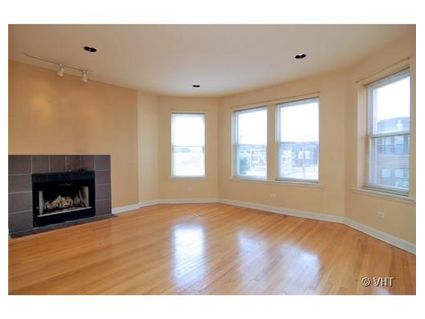
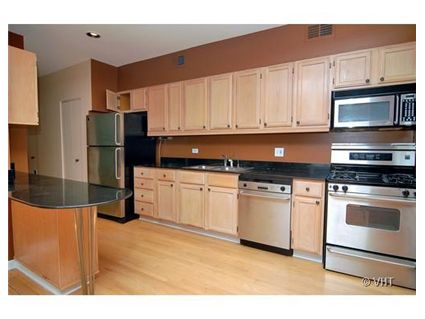
The Tribune’s real estate reporter Mary Umberger finally tackled the incredible condo glut in Chicago and the surrounding suburbs in Sunday’s ChicagoHomes.
Alan Yunek is convinced he snagged a bargain.
After spending two years methodically checking out an estimated 75 properties, he closed on a two-bedroom, two-bath condominium on the city’s South Side in July.
He knew the price was right.
But what sealed the deal was when the developer at McKinley Park Lofts threw in a second parking spot.
“That was pretty much the grabber,” said Yunek, an electrician. “I am ecstatic.”
One down, about 37,000 more to go.
At least that many condos and townhouses were on the market in the greater Chicago area Sept. 1, according to Chip Wagner, a Naperville appraiser, who said there undoubtedly are more because many developers don’t list all their for-sale properties in MRED, the regional real estate industry’s database.
The article has a nice table listing out the pipeline of proposed condo developments (as of July) from the Appraisal Research Counselors. It totals 16,024 condo units. Here’s the details by neighborhood:
- West Loop: 2,944 units
- Streeterville: 1,000
- South Loop: 8,479
- River North: 885
- Near North: 1,096
- Loop/Lakeshore East: 1,080
- Gold Coast: 540
“Price is key,” said Gail Lissner, vice president of Appraisal Research Counselors in Chicago, who studies the downtown housing market. “And then any type of incentive they can come up with that makes [a unit] more enticing or affordable.”
Wade through the sea of for-sale condo ads, and the variety is hard to miss: Closing costs, a year of assessments or a time share in any number of exotic locales. Offers of plasma screen TVs have become almost common, joined by free motor scooters and Rolex watches.
Incentives are nearly the norm in new-construction condos, according to Lissner and others.
But what about those people trying to sell their own condos (and not necessarily new construction)? These sellers are competing with the incentives from the developers.
“If buyers aren’t out there in the market in the first place, it’s hard to grab their attention,” she said.
Tell Kathy and Billy Litgen about it. They listed their Ravenswood Manor condo in February, with little response. Having purchased another home, they moved and now juggle two mortgages.
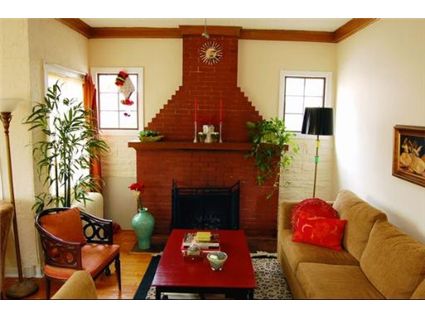
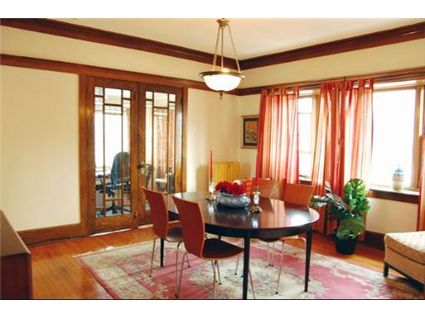
Real estate agent Christopher Motal recently took over the listing. Describing the vintage, three-bedroom, duplexed unit as “overpriced and empty,” he got them to cut the price and brought in a stager to partly furnish it.
That seems to have had some benefit, Kathy said. “People are staying longer, asking questions,” she said. “And twice, people came back for a second viewing.”
But still, she said, it’s slow. And she’s clearly frustrated.
“We loved it so much when we bought it in 2003; we were so happy there,” she said. “It’s hard to believe that other people don’t like it as much as we did.”
Condo/townhouse inventory in Chicago is 15,000 units– about an 8-month supply.
In the downtown, Gail Lissner with Appraisal Research Counselors, said that condos numbered fewer than 50,000 in 1990, and number 98,000 today. By 2010 there will be 110,000.
But some developers are still able to move product.
Developer Bob Horner said his company, Winthrop Properties, has sold an average of a unit a week at Printers Corner, an 88-unit building in the South Loop.
He theorizes that’s because the building has been completed and buyers have something tangible to size up, as opposed to buying from blueprints.
“Most buyers out there today have a relatively urgent need to buy,” he said. “People have a good sense of what they’re getting.”
And, he said, his clients are mostly first-time buyers, a demographic that’s highly desirable because they have no existing condo to sell before they can buy again.
How soon will the market in Chicago recover?
Lissner looks at 2010 for the downtown.
“We’ll see a record number of units completing construction in 2008 and 2009, and very little that will be completed in 2010, so we’ll be using up this excess inventory,” she said.
Developer Horner is looking at early next year.
“I have a theory and an optimism that once we get through the election—whoever wins—there will be more of a sense of certainty than we have been living with for a year and a half,” he said.
And the silver lining? The pent-up demand from buyers who are stuck on the fence, said Horner.
“There’s only so much you can delay before you have to decide,” he said.
Glut Reaction [Chicago Tribune, Sep 14, 2008]